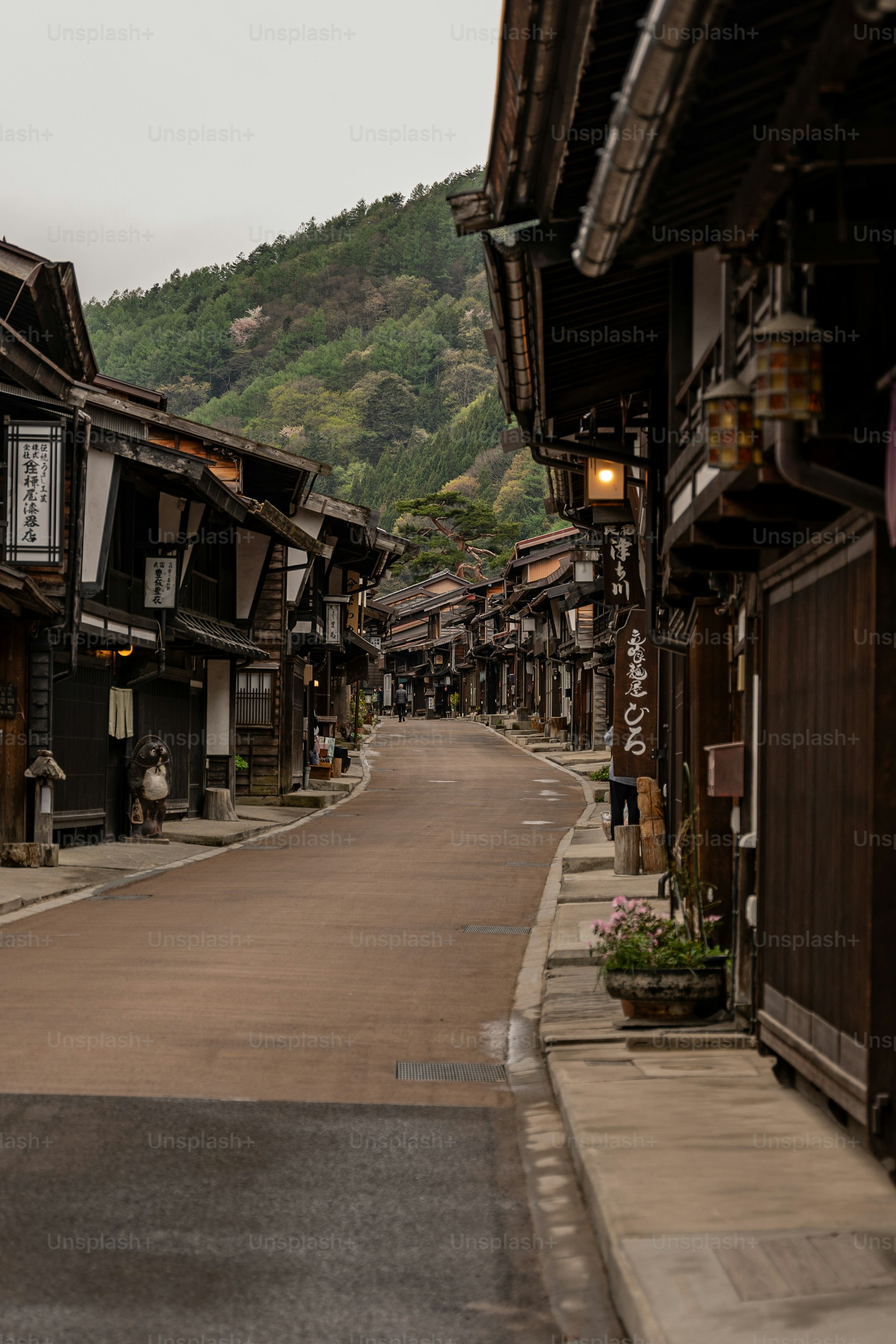
妙高のような豪雪地帯では、断熱性能と耐震性能が民泊運営の質を大きく左右します。築年数の古い空き家や別荘は、そのままでは冬季の光熱費がかさむだけでなく、「部屋が寒い」というレビュー評価の低下にも直結しかねません。この記事では、積雪地の民泊物件に必要な断熱・耐震リフォームの工法・費用相場と、稼働率への効果について解説します。
なぜ積雪地の民泊物件に断熱リフォームが必要か
古い木造住宅は窓・壁・床下の断熱性能が現行基準より大きく劣ることが多く、暖房を入れてもなかなか室温が上がらない、光熱費だけが膨らむといった問題が起こりがちです。民泊のゲストは短期滞在とはいえ「寒い」「灯油代がかさんだ」という体験は低評価レビューに直結しやすく、結果的に稼働率にも影響します。断熱リフォームは初期投資こそかかりますが、ゲスト満足度と運営コストの両面で回収が見込める投資です。
断熱リフォームの主な工法と費用相場
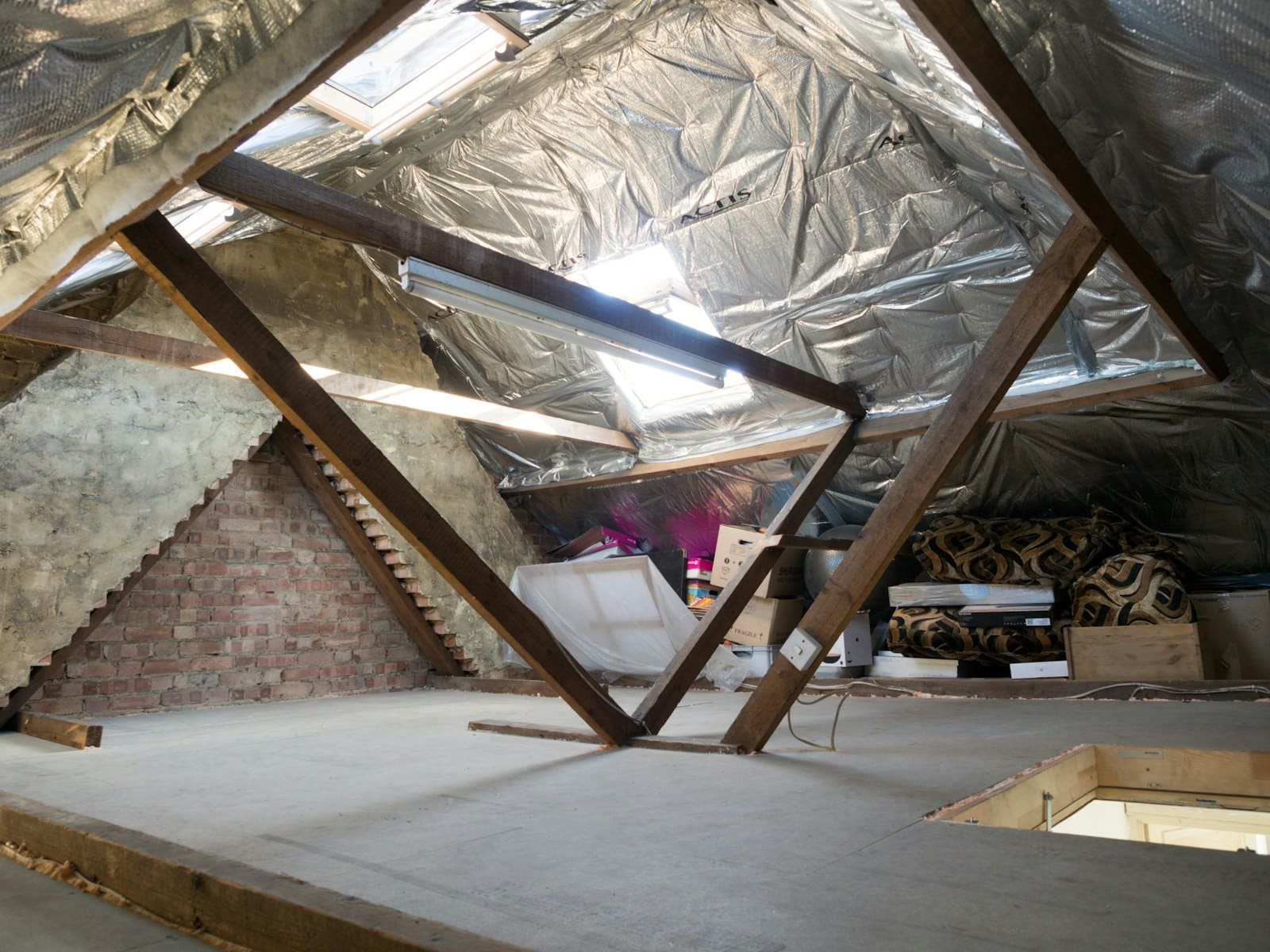
代表的な工法には、既存サッシの内側にもう一枚窓を設置する二重窓(内窓)化、壁・床下・屋根裏への断熱材の追加、玄関ドアの断熱仕様への交換などがあります。費用感としては、内窓設置が1窓あたり5万〜10万円程度、壁・床下の断熱材追加は施工範囲にもよりますが数十万円〜100万円台、屋根裏の断熱材追加は数十万円程度が目安です。物件全体を一度にフル断熱化するのではなく、居室部分を優先するなど、投資対効果を見ながら段階的に進める方法もあります。
耐震リフォームの必要性と積雪荷重対策
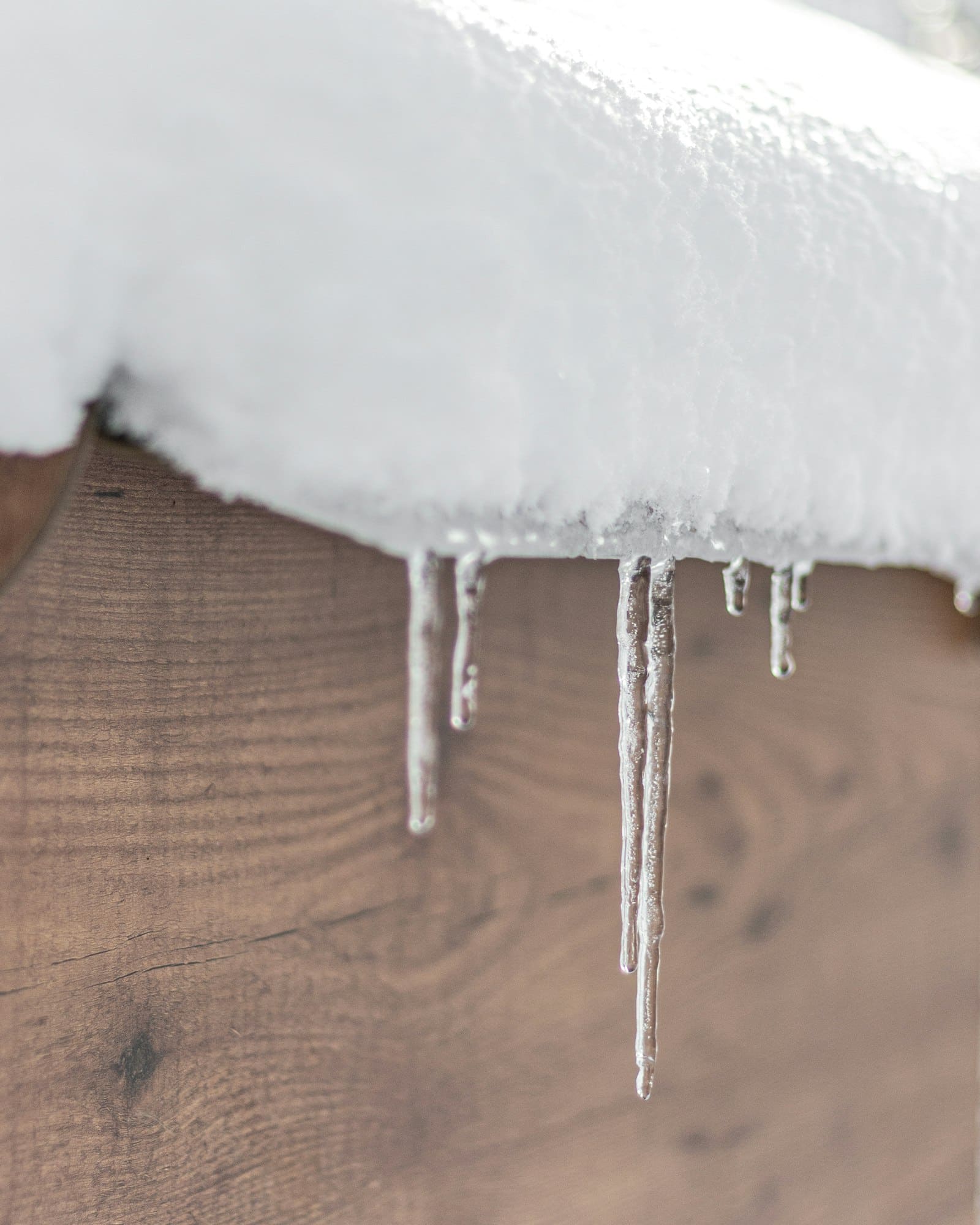
1981年の新耐震基準以前に建てられた物件は、耐震診断を受けた上で必要な補強を検討することが望ましいとされています。特に積雪地では、屋根に積もった雪の重みが建物に大きな負荷をかけるため、耐震性能に加えて屋根の雪下ろし・落雪対策(無落雪屋根への変更、雪止め金具の設置等)も併せて検討する価値があります。屋根形状の変更は費用がかさむ大掛かりな工事になるため、まずは耐震診断で優先度を見極めることが第一歩です。
リフォーム費用と利回りのバランスの考え方
断熱・耐震リフォームは物件の質を大きく引き上げる一方、過剰な投資は利回りを圧迫します。まずはゲスト満足度に直結しやすい居室の断熱性能を優先し、耐震補強は診断結果に応じて必要な範囲にとどめるなど、優先順位をつけて段階的に投資することが、利回りとのバランスを取るコツです。リフォーム費用は民泊・ホテル運営の収益シミュレーションに組み込んだ上で、投資回収期間を試算しておくことをおすすめします。
リフォーム前に確認しておきたいこと
リフォーム内容によっては、住宅宿泊事業法・旅館業法上の設備基準(採光・換気・非常照明等)に影響することもあるため、着工前に運営代行会社や建築士に相談し、法規制との整合性を確認しておくことが重要です。空き家を取得してからのリフォーム全般については空き家リフォームで民泊・ホテル運営を始める完全ガイドもあわせてご覧ください。
リフォームのご相談もMYOKO INVESTMENTへ
MYOKO INVESTMENTでは、積雪地特有の断熱・耐震リフォームについても、運営面から見た優先順位のご提案が可能です。「どこまでリフォームすべきか判断がつかない」という段階でも、お気軽にご相談ください。
In a heavy snowfall area like Myoko, insulation and seismic performance can make or break the quality of a vacation rental operation. Older vacant homes and villas often come with heating bills that pile up over winter, and worse, "the room was cold" reviews that drag down your rating. This article covers the renovation methods and typical costs for insulation and seismic work suited to snow-country vacation rentals, and the effect they have on occupancy.
Why Insulation Renovation Matters for Snow-Country Rentals
Older wooden houses often fall well short of current insulation standards at the windows, walls, and floors, meaning rooms stay cold even with the heat running, while heating costs climb. Even for a short stay, guests who feel cold or find their kerosene costs adding up tend to leave lower reviews, which in turn affects occupancy. Insulation renovation requires upfront investment, but it's one that tends to pay for itself through both higher guest satisfaction and lower ongoing operating costs.
Common Insulation Methods and Typical Costs
Common approaches include adding a secondary interior window (double-glazing) in front of existing sashes, adding insulation material to walls, floors, and attics, and replacing the entrance door with an insulated model. As a rough guide, interior secondary windows run about ¥50,000–¥100,000 per window, wall and floor insulation ranges from several hundred thousand yen up to around ¥1 million depending on scope, and attic insulation typically runs several hundred thousand yen. Rather than fully insulating the entire property at once, it's also reasonable to prioritize the main living spaces first and phase the rest in based on return on investment.
Seismic Renovation and Snow-Load Countermeasures
Properties built before Japan's 1981 revision to seismic standards are generally worth having assessed for seismic reinforcement. In snow country especially, the weight of accumulated roof snow places significant extra load on a structure, so it's worth considering roof-related snow measures — such as switching to a snow-shedding roof design or installing snow guards — alongside seismic work. Changing roof shape is a major, costly undertaking, so the first step is a seismic assessment to identify what's actually a priority.
Balancing Renovation Cost Against Yield
Insulation and seismic renovation can substantially raise the quality of a property, but over-investing eats into your yield. The key to striking a balance is prioritizing: start with insulation in the living spaces, which most directly affects guest satisfaction, and limit seismic reinforcement to what an assessment actually flags as necessary, phasing in the rest over time. It's worth building renovation costs into your revenue simulation for the property and estimating a realistic payback period before committing.
What to Check Before Starting Renovation
Depending on the scope, renovation work can affect facility requirements under the Private Lodging Business Act or Hotel Business Act — natural light, ventilation, emergency lighting, and so on — so it's important to check with your management company or an architect before construction begins to confirm everything stays compliant. For a broader look at renovating a vacant home from the ground up, see our complete guide to renovating for vacation rental or hotel use.
Talk to MYOKO INVESTMENT About Renovation
MYOKO INVESTMENT can advise on renovation priorities for insulation and seismic work in snow country, from an operational perspective. Even if you're not sure how far to take a renovation, feel free to reach out.