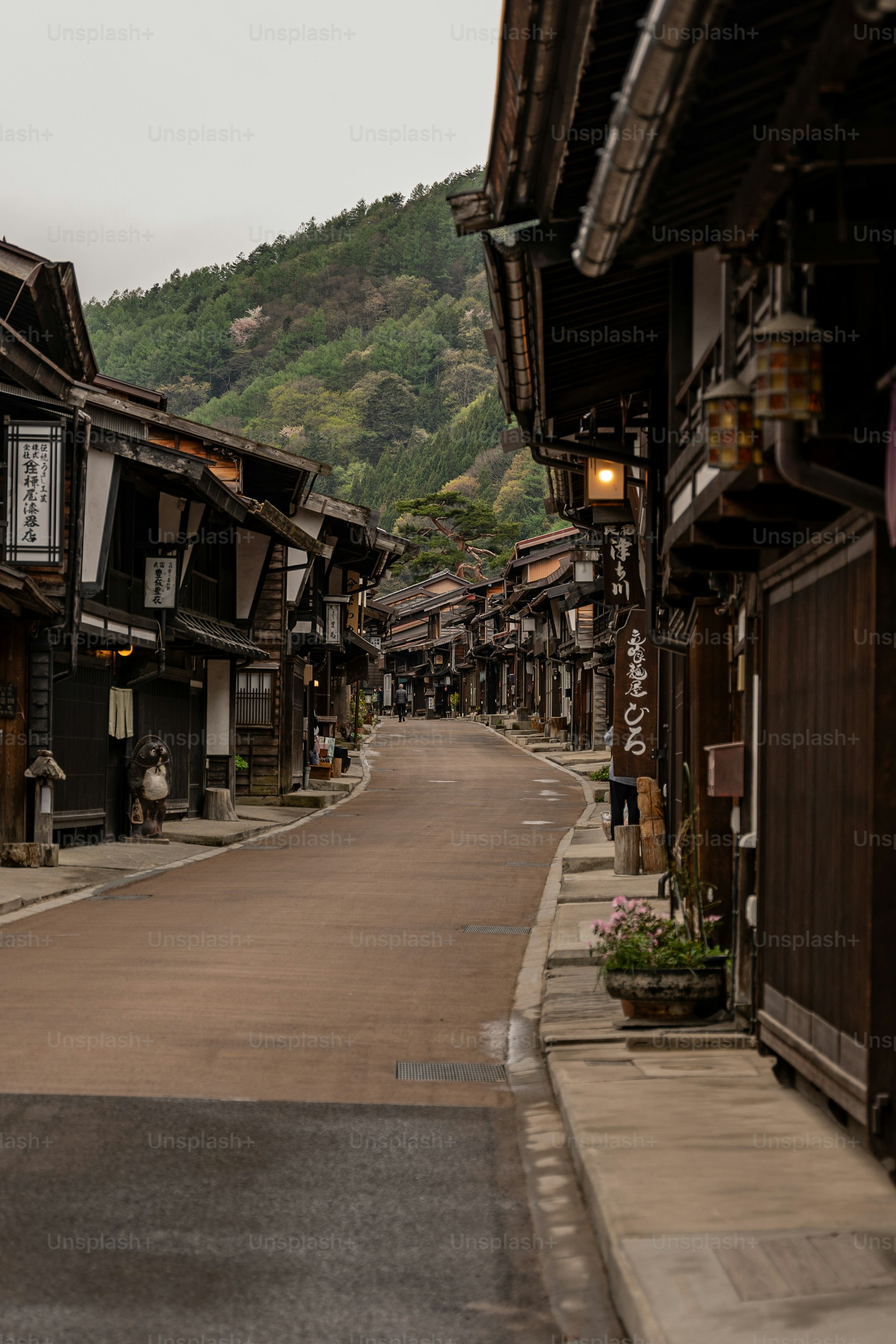
民泊・別荘運営を検討する際、届出や運営体制に意識が向きがちですが、意外と後回しにされやすいのが「保険」です。特に妙高のような積雪地では、雪による屋根・雨どいの損傷や、除雪中の事故など、都市部の物件とは異なるリスクが存在します。この記事では、民泊・別荘オーナー様が押さえておきたい保険の種類と選び方を、積雪地特有のリスクも踏まえて解説します。
なぜ民泊・別荘運営には保険が欠かせないのか
自宅として使う住宅と異なり、民泊や別荘として不特定多数のゲストを受け入れる物件は、火災・水漏れといった物件自体のリスクに加えて、ゲストがケガをした場合の賠償責任リスクも負うことになります。多くの一般的な火災保険は「宿泊業としての使用」を想定した契約になっておらず、実際に保険が必要になった場面で契約内容と用途が食い違い、保険金が支払われないというケースも起こり得ます。運営を始める前に、加入している保険が民泊・別荘の運営形態に対応しているかを必ず確認することが重要です。
火災保険:物件そのものを守る基本の保険
火災保険は、火災はもちろん、落雷・風災・水災・盗難など、建物や設備そのものに生じた損害を補償する基本的な保険です。民泊・別荘として運用する場合は、個人の住宅用ではなく「事業用」「宿泊業用」の契約区分で加入する必要があるケースが多く、契約時に運営実態(民泊・貸別荘としての使用)を保険会社に伝えておくことが欠かせません。また、家具・家電・寝具といった動産部分も補償対象に含めるかどうかで保険料が変わるため、什器・備品の総額を事前に把握しておくと契約時の判断がスムーズになります。
地震保険:単独では加入できない点に注意
地震保険は、地震・噴火・それに伴う津波によって生じた損害を補償する保険ですが、火災保険とセットでなければ加入できないという制度上の特徴があります。新潟県は過去にも中越地震・中越沖地震を経験しているエリアであり、地震リスクを軽視できません。地震保険の補償額は火災保険の30〜50%が上限と定められているため、「地震保険に加入していれば建物の再建費用を全額カバーできる」という誤解をしないよう、上限の考え方を正しく理解しておくことが大切です。
施設所有者管理者責任保険:ゲストのケガに備える
民泊・別荘運営で意外と見落とされがちなのが、ゲストがケガをした場合の賠償責任リスクです。例えば、除雪が行き届かず敷地内で滑って転倒した、階段や設備の不備でケガをした、といったケースでは、施設の所有者・管理者としての責任を問われる可能性があります。こうしたリスクに備えるのが「施設所有者管理者責任保険」(または「レンタルオーナー保険」等の名称で提供される類似の保険)です。宿泊業向けの保険パッケージにこの補償が組み込まれている場合も多いため、契約内容に賠償責任の項目が含まれているかを必ず確認しましょう。
積雪地特有のリスクと保険での備え方
妙高エリアで運営する物件には、積雪地特有のリスクが伴います。代表的なものは、雪の重みによる屋根・カーポート・物置の損壊、落雪や氷柱(つらら)による通行人・ゲストへの被害、除雪作業中の事故です。これらは火災保険の「風災・雪災」補償でカバーされる場合がありますが、契約内容によって対象範囲が異なるため、加入時に「雪害」がどこまで補償されるかを具体的に確認しておく必要があります。また、除雪業務を外部に委託する場合は、委託先が加入している保険の範囲(作業中の事故が委託先の保険でカバーされるか)も確認しておくと安心です。
保険会社・代理店を選ぶ際のポイント
民泊・別荘向けの保険を選ぶ際は、宿泊業・レンタルオーナー向けの取り扱い実績がある保険会社・代理店を選ぶことをおすすめします。一般的な住宅用保険を扱う代理店では、宿泊業としての運用実態を正確に伝えきれず、想定とは異なる契約になってしまうリスクがあります。運営代行会社を利用している場合は、同種の物件を多く手掛けている保険代理店の紹介を受けられることもあるため、まずは運営代行会社に相談してみるのも一つの方法です。
よくある質問
Q. 既存の住宅用火災保険のままで民泊運営を始めても大丈夫ですか?
A. 契約内容によっては「用途変更」の通知義務違反となり、いざという時に保険金が支払われないリスクがあります。民泊・別荘としての運営を始める前に、必ず保険会社・代理店に運用実態を伝え、契約内容を見直すことをおすすめします。
Q. 地震保険には必ず加入すべきですか?
A. 加入は任意ですが、新潟県は地震リスクのあるエリアであり、建物の再建費用の一部でもカバーできる備えとして検討する価値があります。上限額の考え方(火災保険の30〜50%)を理解した上で判断しましょう。
Q. 保険料はどれくらいが目安になりますか?
A. 物件の構造・規模・立地・補償範囲によって大きく変わるため一概には言えません。複数の保険会社・代理店から見積もりを取り、補償内容とのバランスで比較することをおすすめします。
保険選びのご相談もMYOKO INVESTMENTへ
MYOKO INVESTMENTでは、日々の運営代行に加えて、宿泊業向けの保険に関するご相談・保険代理店のご紹介も承っています。「今の保険で本当に大丈夫なのか確認したい」という段階でも、お気軽にお問い合わせください。
When considering vacation rental or villa operation, attention tends to go toward permits and day-to-day management, while insurance often gets pushed aside. In a heavy-snow region like Myoko, though, there are risks that don't apply to urban properties — roof and gutter damage from snow load, accidents during snow removal, and more. This article covers the types of insurance vacation rental and villa owners should understand, including risks unique to a snow-country property.
Why Insurance Is Essential for Vacation Rental and Villa Operation
Unlike a home used purely as a private residence, a property that hosts unspecified guests as a vacation rental or villa carries not just fire and water-damage risk to the building itself, but liability risk if a guest is injured. Many standard fire insurance policies aren't written with lodging-business use in mind, and if the actual use of the property doesn't match what's on the policy, a claim can end up denied exactly when you need it most. Before starting operations, it's essential to confirm that your existing coverage actually matches how the property will be used.
Fire Insurance: Baseline Coverage for the Property Itself
Fire insurance is the baseline policy covering damage to the building and fixtures — not just fire, but lightning, wind, water, and theft as well. For a vacation rental or villa, this often needs to be written as a "commercial" or "lodging business" policy rather than a personal residential one, which means disclosing the actual use (vacation rental or rental villa) to the insurer when signing up. Whether furniture, appliances, and bedding are included as covered contents also affects the premium, so it helps to know the total value of furnishings and equipment ahead of time when deciding on coverage.
Earthquake Insurance: It Can't Be Purchased on Its Own
Earthquake insurance covers damage from earthquakes, volcanic eruptions, and resulting tsunamis, but by law it can only be purchased as an add-on to a fire insurance policy, not standalone. Niigata Prefecture has experienced significant earthquakes before (the Chuetsu and Chuetsu-oki earthquakes), so the risk isn't one to dismiss. Earthquake insurance coverage is capped at 30–50% of the fire insurance coverage amount, so it's important to understand that limit rather than assuming it would fully cover a rebuild.
Facility Owner Liability Insurance: Covering Guest Injuries
One risk that's easy to overlook in vacation rental or villa operation is liability if a guest is injured — for instance, slipping on ungritted snow on the property, or getting hurt due to a defect in stairs or equipment. In these cases, the owner or manager can be held liable as the party responsible for the facility. Facility owner/manager liability insurance (sometimes offered under names like "rental owner insurance") is designed to cover exactly this kind of risk. Many lodging-business insurance packages bundle this coverage in, so it's worth checking whether liability coverage is included in your policy.
Snow-Country Risks and How Insurance Addresses Them
Properties operating in the Myoko area face risks specific to a heavy-snow region: roof, carport, or shed damage from the weight of accumulated snow; injury to passersby or guests from falling snow or icicles; and accidents during snow-clearing work. These may be covered under a fire insurance policy's wind and snow damage provisions, but the extent of coverage varies by contract, so it's worth confirming exactly what "snow damage" covers when you sign up. If you outsource snow removal, it's also worth checking whether the contractor's own insurance covers accidents during their work.
What to Look for When Choosing an Insurer or Agent
When choosing insurance for a vacation rental or villa, it's worth working with an insurer or agent experienced with lodging businesses and rental owners. An agent who mainly handles standard residential policies may not fully capture the reality of lodging-business use, leading to a mismatch between the contract and how the property is actually operated. If you use a management company, they may be able to introduce you to an agent experienced with similar properties — it's worth asking.
Frequently Asked Questions
Q. Can I start vacation rental operation while keeping my existing residential fire insurance?
A. Depending on the policy, this can violate a disclosure requirement around change of use, risking a denied claim when you need it most. Before starting operations, always disclose the actual use to your insurer or agent and review the policy.
Q. Should I always get earthquake insurance?
A. It's optional, but Niigata does carry earthquake risk, and it's worth considering as partial coverage toward a rebuild. Just make sure you understand the coverage cap (30–50% of the fire insurance amount) before deciding.
Q. What's a reasonable premium to expect?
A. It varies significantly by the property's structure, size, location, and scope of coverage, so there's no single answer. It's worth getting quotes from multiple insurers or agents and comparing coverage against cost.
Talk to MYOKO INVESTMENT About Choosing Insurance
Alongside day-to-day management, MYOKO INVESTMENT can advise on lodging-business insurance and introduce you to an agent. Even if you just want to confirm whether your current coverage is adequate, feel free to reach out.