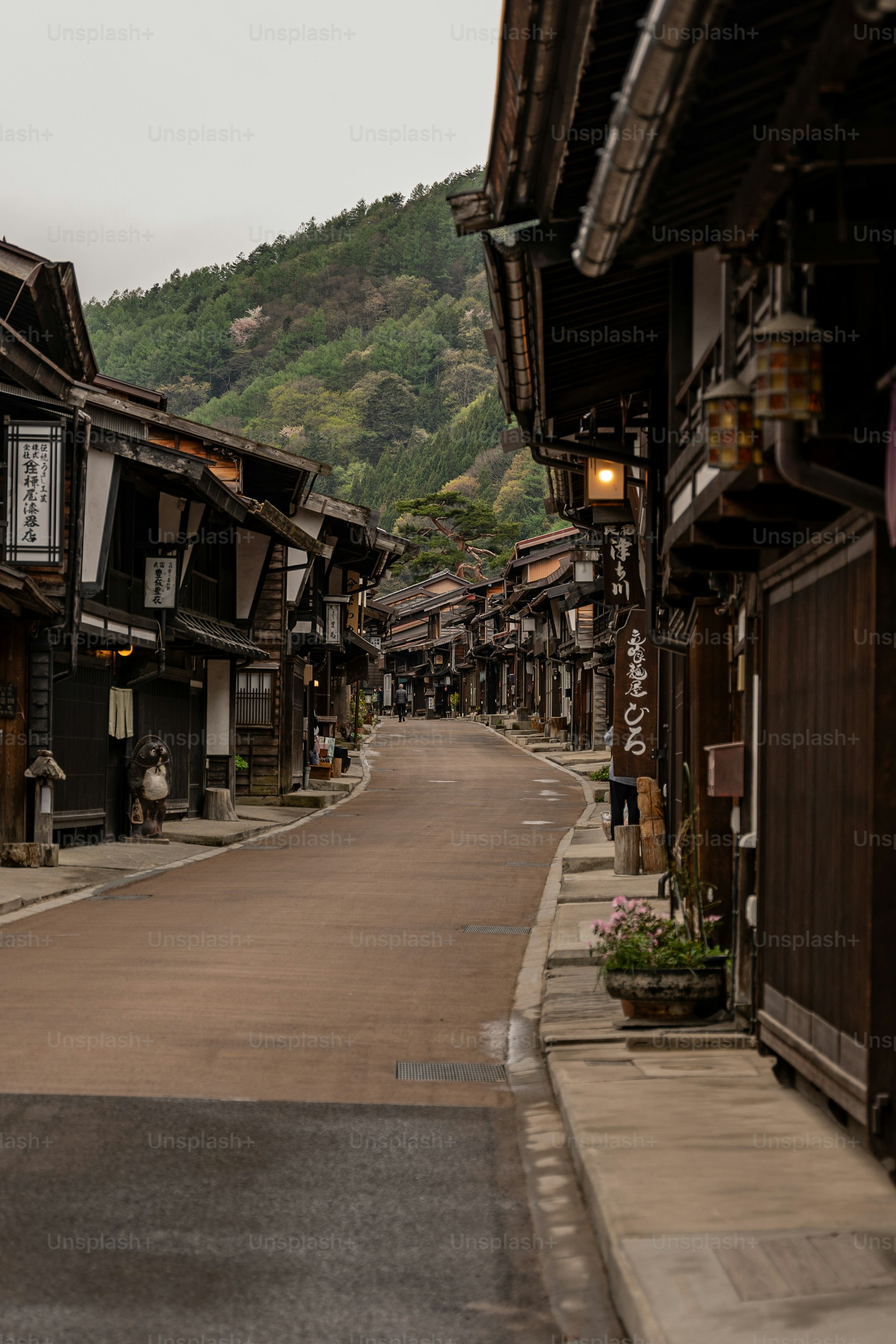
妙高エリアのような豪雪地帯で民泊・別荘を所有する場合、集客や運営代行の仕組みだけでなく、冬季特有の「管理責任」への備えが欠かせません。屋根の雪下ろしを怠って軒先の雪が落下し、通行人や隣家に被害を与えてしまえば、所有者が損害賠償責任を問われることもあります。この記事では、積雪期の管理責任の考え方と、実際にどう除雪体制を整えるか、妙高市で使える関連の補助制度をあわせて解説します。
豪雪地帯における建物所有者の管理責任
建物の設置・保存に瑕疵があり、それによって他人に損害を与えた場合、所有者は民法上の責任を問われることがあります。特に豪雪地帯では「通常の積雪であれば落雪が生じることは十分に予見できた」とみなされやすく、一般的な地域よりも高い注意義務が課されるというのが実務上の考え方です。落雪は原則として自分の敷地内で処理する必要があり、屋根雪を放置して隣接する道路や隣家の敷地に落としてしまうと、たとえ悪意がなくても責任を問われるリスクがあります。
空き家・不在時間が長い民泊物件でも責任は続く
民泊物件はオーナーが常駐しないケースがほとんどで、ゲストの滞在がない期間は事実上の空き家状態になることも珍しくありません。しかし、所有者が住んでいない、あるいは物件を使用していないという事情は、管理責任を免れる理由にはなりません。豪雪地帯では、空き家であっても雪下ろしの外注手配や雪止めの設置・点検など、積雪による被害を防ぐための具体的な措置を取ることが所有者に求められます。運営代行を利用している場合でも、除雪に関する責任分担を契約時に明確にしておくことが重要です(留守宅としての管理サービス全般については空き家管理の記事もご参照ください)。
軒先のつらら・落雪という見落としがちなリスク
屋根雪そのものだけでなく、軒先に発達するつらら(氷柱)の落下も見落とされがちなリスクです。気温の上下を繰り返す時期には、屋根の雪が溶けては凍りを繰り返し、大きく成長したつららが軒下の通路や玄関先に落下することがあります。ゲストの出入りが多い玄関周りは特に注意が必要で、つららの除去や、雪止め金具の設置・点検といった対策を、屋根雪の除雪とあわせて計画しておくと安心です。

除雪体制の作り方:自社対応か、外注か
民泊運営における除雪体制は、大きく分けて「オーナー自身または管理会社のスタッフが対応する」パターンと、「地元の除雪業者・シルバー人材センター等に外注する」パターンがあります。積雪量が多い時期は連日の対応が必要になることも多く、オーナーが遠方に住んでいる場合は特に、地元業者との契約による定期除雪体制を整えておくのが現実的です。契約の際は、①降雪量に応じた出動基準、②緊急時(大雪警報時等)の連絡体制、③屋根雪下ろしと敷地内除雪のどちらまで含むか、を事前に取り決めておくとトラブルを防げます。
妙高市の克雪対策関連の補助制度
妙高市では、個人所有の住宅を対象に「雪国妙高住まいの克雪対策推進事業」を実施しています。対象工事は大きく2種類あり、屋根を耐雪式・落雪式・融雪式にする「克雪化工事」(一般世帯は対象工事費の26.4〜50%、上限33〜64万円を補助)と、屋根への命綱固定アンカー等を設置する「雪下ろし安全対策工事」(一般世帯は対象工事費の50%、上限15万円を補助)です。要援護世帯にはより高い補助率が設定されています。命綱固定アンカーは、業者に雪下ろしを依頼する際の安全確保にも直結する設備のため、豪雪地帯で民泊を運営するオーナー様にとって検討する価値のある制度です(詳細・申請条件は妙高市役所建設課 0255-74-0026へ確認をおすすめします)。
このほか、ひとり暮らしや高齢者のみ世帯などを対象とした「高齢者世帯冬期在宅支援制度」(屋根雪除雪費の助成・生活路の雪踏み支援)もありますが、こちらは対象世帯の条件が限定的なため、遠方在住のオーナー様が所有する民泊物件が直接対象になるとは限りません。利用できる制度は物件の状況によって異なるため、個別に建設課(雪水対策グループ 0255-74-0024)へ確認することをおすすめします。
ゲストへの積雪期の案内も忘れずに
除雪体制を整えるのと合わせて、冬季に宿泊するゲストへの案内も運営上のポイントです。玄関前・駐車スペースの除雪状況、路面凍結によるスリップの注意喚起、積雪時のアクセス方法(除雪が間に合わない場合の代替ルートや連絡先)などを、予約確定後のメッセージやハウスマニュアルに明記しておくと、ゲストの安全確保とクレーム防止の両方につながります。
まとめ
豪雪地帯である妙高エリアで民泊・別荘を所有する場合、屋根雪・軒先の落雪に関する管理責任は、空き家状態であっても所有者から離れることはありません。除雪体制を「誰が・どんな基準で・どこまで」対応するか契約時に明確にしておくこと、命綱固定アンカー等の安全対策には妙高市の補助制度を活用できる場合があることを押さえた上で、冬季も安心して運営できる体制を整えましょう。
よくある質問
Q. 民泊物件が空き家の状態でも、落雪の管理責任はありますか?
A. はい。所有者が居住・使用していないことは、管理責任を免れる理由にはなりません。豪雪地帯では空き家であっても、雪下ろしの手配など具体的な対策を取ることが所有者に求められます。
Q. 命綱固定アンカーの設置に補助金は使えますか?
A. 妙高市の「雪国妙高住まいの克雪対策推進事業」では、個人所有の住宅を対象に、屋根への命綱固定アンカー等の設置費用(一般世帯は対象工事費の50%、上限15万円)を補助する制度があります。詳細は妙高市役所建設課にご確認ください。
Q. 運営代行を利用していれば、除雪の責任も運営会社が負ってくれますか?
A. 除雪に関する責任分担は契約内容によって異なります。どこまでを運営代行会社が担い、どこからがオーナー負担かを契約時に明確にしておくことが重要です。
積雪期の運営体制のご相談もMYOKO INVESTMENTへ
MYOKO INVESTMENTでは、妙高エリアの民泊運営代行の一環として、冬季の除雪体制の構築や地元業者の手配についてもサポートしています。「積雪期の管理が不安」という段階でも、お気軽にご相談ください。
Owning a vacation rental or villa in a heavy-snowfall area like Myoko takes more than a solid booking strategy — it also means planning for the winter-specific liability that comes with the property. If snow is left to pile up on a roof and then falls, injuring a passerby or damaging a neighboring property, the owner can be held liable for damages. This article covers how liability works during the snowy season, how to actually build a snow-removal system, and the related subsidy programs available through Myoko City.
An Owner's Liability in a Heavy-Snowfall Area
Under Japanese civil law, if a defect in the construction or maintenance of a building causes damage to someone else, the owner can be held liable. In heavy-snowfall regions specifically, courts have tended to treat the risk of falling snow from ordinary accumulation as reasonably foreseeable, which in practice means a higher standard of care applies than it would in a typical area. Falling snow is, in principle, something the owner is expected to handle within their own property line — letting roof snow fall onto an adjacent road or a neighbor's land carries a real risk of liability, even without any intent to cause harm.
Liability Continues Even for an Unoccupied Vacation Rental
Most vacation rental owners aren't on-site full time, and between guest stays a property can effectively sit vacant for stretches at a time. That doesn't reduce the owner's liability, though — being absent, or the property simply not being in active use, is not grounds for being excused from the duty of care. In a heavy-snowfall region, owners are still expected to take concrete steps even for an unoccupied property: arranging for snow removal, and installing and inspecting snow guards. If you use a management company, it's worth clarifying in the contract exactly who is responsible for what when it comes to snow (see our article on vacant-property management services for the broader picture).
Icicles and Falling Ice: An Easily Overlooked Risk
Beyond the roof snow itself, icicles that build up along the eaves are a risk that's easy to overlook. As temperatures swing above and below freezing, snow on the roof repeatedly melts and refreezes, and icicles can grow large enough to fall onto a walkway or entrance below. This deserves particular attention around an entryway that guests use often — planning for icicle removal and for installing and checking snow guards, alongside the main roof-clearing work, is a good idea.
Building a Snow-Removal System: In-House or Outsourced
Broadly speaking, a vacation rental's snow-removal system takes one of two forms: the owner or management company staff handle it directly, or it's outsourced to a local snow-removal contractor or a senior-worker staffing organization. During the heaviest stretches of winter, snow can require attention almost daily, so for an owner based elsewhere, setting up a standing contract with a local contractor for regular removal is usually the realistic option. When drawing up that contract, it helps to settle in advance: (1) what snowfall level triggers a visit, (2) the contact process for emergencies such as a heavy-snow warning, and (3) whether the scope covers roof snow removal, ground-level clearing, or both — settling these upfront heads off a lot of potential disputes.
Myoko City's Snow-Countermeasure Subsidy Programs
Myoko City runs a program called the "Snow Country Myoko Housing Snow-Countermeasure Promotion Project," aimed at privately owned homes. It covers two main types of work: "snow-countermeasure construction" that converts a roof to a snow-load-resistant, self-shedding, or snow-melting design (subsidizing 26.4–50% of eligible costs for a standard household, up to ¥330,000–640,000), and "roof snow-removal safety work," which covers installing anchor points on the roof for a safety harness (50% of eligible costs for a standard household, up to ¥150,000). Households requiring extra support qualify for a higher subsidy rate. Roof anchor points are directly tied to keeping anyone doing roof snow removal safe, which makes this a program worth looking into for an owner running a vacation rental in a heavy-snowfall area (for details and eligibility, contact Myoko City's Construction Division at 0255-74-0026).
The city also offers a "Elderly Household Winter Residency Support Program" (subsidizing roof snow-removal costs and clearing daily walkways), aimed at single-person or elderly households. Because its eligibility criteria are fairly narrow, a vacation rental owned by someone based elsewhere won't necessarily qualify. Which programs actually apply depends on the specifics of the property, so it's worth checking directly with the Construction Division's Snow and Water Countermeasures Group (0255-74-0024).
Don't Forget to Brief Guests on Winter Conditions
Alongside setting up your snow-removal system, briefing winter guests is another operational point worth attention. Spelling out the state of snow clearing at the entrance and parking area, warning about slippery, icy road surfaces, and explaining how to reach the property when heavy snow disrupts the usual route (including an alternate route or a contact number) in your post-booking messages or house manual helps keep guests safe and heads off complaints.
Summary
For an owner in heavy-snowfall Myoko, liability for roof snow and falling ice doesn't go away just because the property sits unoccupied between stays. Keep two things in mind: settle in your contract exactly who handles snow removal, under what triggers, and how far the scope extends; and remember that Myoko City's subsidy programs can help offset the cost of safety measures like roof anchor points. With both in place, you can run the property with confidence through the winter season too.
Frequently Asked Questions
Q. Am I still liable for falling snow if the vacation rental is sitting unoccupied?
A. Yes. The owner not living at or using the property is not grounds for being excused from liability. In a heavy-snowfall area, owners are still expected to take concrete measures, such as arranging snow removal, even for a vacant property.
Q. Is there a subsidy available for installing roof anchor points?
A. Myoko City's "Snow Country Myoko Housing Snow-Countermeasure Promotion Project" subsidizes the cost of installing anchor points on privately owned homes (50% of eligible costs for a standard household, up to ¥150,000). Contact Myoko City's Construction Division for details.
Q. If I use a management company, does it take on the snow-removal liability too?
A. That depends entirely on the contract. It's important to clarify upfront exactly what the management company handles and what remains the owner's responsibility.
Talk to MYOKO INVESTMENT About Your Winter Operations
As part of its vacation rental management service in the Myoko area, MYOKO INVESTMENT also supports owners in setting up a winter snow-removal system and arranging local contractors. Even if you're just starting to think about how to handle the snowy season, feel free to reach out.